

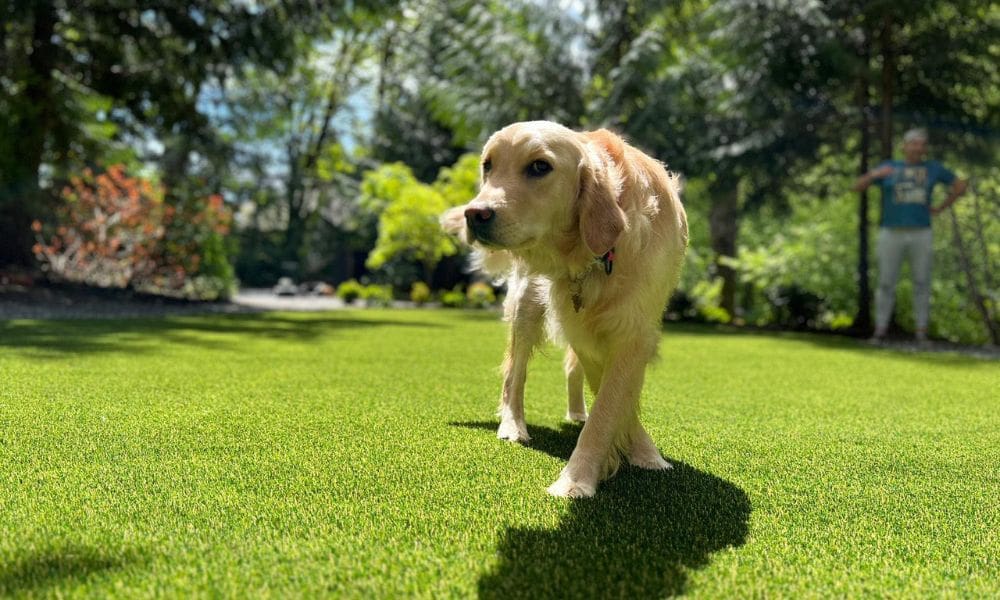
Artificial grass has become a popular choice for pet owners looking for a clean, durable, and low-maintenance solution for their yards. With its many benefits, fake grass can enhance the quality of life for both pets and their owners. Read on to explore the reasons artificial grass is good for your pets and understand its key advantages and practical applications.
Superior Cleanliness
Fake grass for your dog provides a cleaner environment compared to natural grass. Unlike real grass, which can turn into mud pits during rainy seasons, artificial turf remains dry and mud-free, helping prevent more muddy paw prints from being tracked indoors. This means your pets can play outside without tracking dirt and debris back into the house, while also avoiding dirt patches that commonly form in worn natural lawns.
Excellent Drainage
One of the standout features of artificial grass is its superior drainage, which is especially important for pet-friendly turf. High-quality artificial grass for dogs, such as the Pro Series Pet Turf, comes with a quad-flow permeable backing, and the best artificial grass for pets pairs rapid drainage with durability and antimicrobial technology to help prevent odors. This drainage prevents puddles and standing water, ensuring that your pets always have a dry surface to play on, even after heavy rainfall. Dog urine drains through and does not burn or discolor the synthetic fibers. Effective drainage also reduces the risk of mold and mildew.
Durability and Resilience
Pets—especially dogs—can be tough on natural grass, digging holes and creating worn patches. High-quality artificial pet turf generally outlasts cheaper options because durability depends heavily on the materials used, and specialized turf for pets often include polyurethane backing and built-in antimicrobial protection. Artificial grass withstands high traffic and the wear and tear caused by active pets. Products such as Pro Series Pet Turf feature resilient yarn blades, often made from polyethylene turf, a resilient, soft-under-paws, UV-stable material well suited to backyard play areas. This resilience ensures the turf remains lush and green, maintaining its aesthetic appeal and functional integrity for many years. A well-maintained, high-quality artificial lawn commonly lasts about 8 to 12 years, and often 8 to 15 years depending on traffic and upkeep.
Low Maintenance
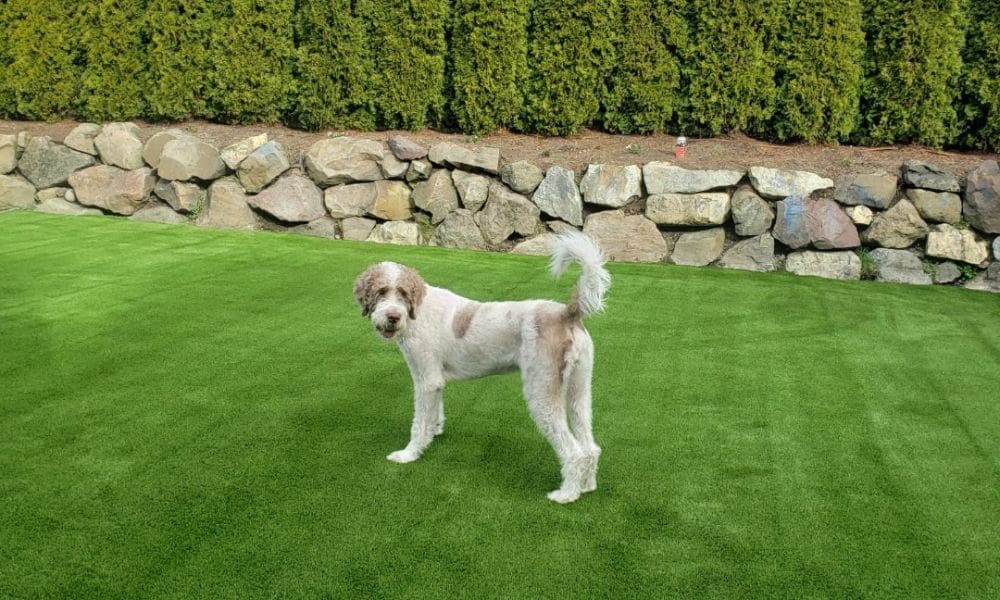
Maintaining a natural lawn can be labor-intensive and time-consuming, requiring regular mowing, watering, and fertilizing. In contrast, artificial grass is low maintenance. That doesn’t mean no upkeep, though, and regular maintenance plus regular cleaning help extend the turf’s life. You don’t need to mow or water it, and it stays green and vibrant all year round. For pet owners, this means more time enjoying their yard with their pets and less time on lawn care, though it should still be rinsed regularly with water, especially after pets urinate, to help prevent odor buildup and bacteria.
Allergy Reduction
Natural grass can be a source of allergens for both pets and their owners. Pollen, mold, pesticides, fertilizers, and harmful chemicals commonly found in natural grass lawns can cause allergic reactions. Artificial grass, however, is hypoallergenic. It eliminates the need for pesticides and reduces exposure to allergens, providing a safer and more comfortable environment for pets with allergies.
Safe and Comfortable Pet-Friendly Artificial Grass
Artificial grass provides a soft and cushioned surface that is gentle on your pets’ paws. It reduces the risk of injuries from rough play or accidental falls. Moreover, many synthetic turf products, including Pro Series Pet Turf, are heat and frost resistant, though in direct sunlight the surface can still absorb heat. On hot days, this may be potentially causing discomfort for pets, so shaded areas or a quick rinse can help during the summer months. This aspect makes it ideal for year-round use.
Odor Control
One of the concerns with having pets is managing odors, especially in outdoor areas where pets frequently relieve themselves, so pet-friendly artificial grass designed for odor control can make a noticeable difference. High-quality artificial grass for pets often boasts antimicrobial properties that help control odors by preventing the growth of bacteria, and some pet-friendly turf systems use polyurethane backing, which retains less bacteria than latex. Most leading companies complement their systems with deodorizer infill and pet-safe cleaners that use enzymes and bacteria to naturally clean the synthetic grass system and control odor, and coated acrylic sand can help prevent odor-causing bacterial growth.
No More Digging with Artificial Grass for Dogs
Digging can be a major issue with natural lawns, leading to unsightly holes and damaged plants. Artificial grass deters digging over time because it lacks the natural soil underneath and roots that attract dogs, and proper installation helps keep the surface secure. It also helps prevent uneven spots, weed growth, and bacteria buildup. The durable backing and secure installation of synthetic turf make it difficult for pets to dig through, preserving the integrity of your yard and saving you from constant repairs.
Pest Reduction
Natural grass can harbor a variety of pests, including fleas, ticks, and ants, which can be harmful to pets. Artificial grass does not provide a suitable habitat for these pests, significantly reducing the risk of infestations. Artificial turf creates a safer outdoor environment for your pets and reduces the need for chemical pest control treatments, which can be harmful to both pets and the environment.
Aesthetic Appeal
A well-maintained artificial lawn looks lush and green year-round, enhancing the visual appeal of your outdoor space. Products such as Pro Series Pet Turf look natural with the help of a blend of brown and green thatch and realistic blade shapes and colors. This design ensures that your entire yard remains beautiful, providing an attractive play area for your pets and a pleasant view for you and other family members.
Cost-Effective
While the initial cost of artificial grass can be higher than seeding or sodding a natural lawn, the long-term savings are significant. Installation typically ranges from $11 to $16 per square foot, depending on location, material quality, and labor. Artificial grass requires minimal maintenance, and lower water usage can also save money over time through reduced utility bills, lawn care products, and professional landscaping services. The durability of artificial grass also means fewer repairs for years, though most products last about 8 to 15 years before replacement may be needed. Overall, it can be a long-term solution, and that helps answer the question of whether pet turf is worth it through reduced upkeep.
Eco-Friendly Alternative to Natural Grass
Choosing artificial grass can reduce your environmental footprint while providing a safe and sustainable play area for your pets, and many dog owners see it as the perfect solution for a cleaner, lower-impact yard. It eliminates the need for pesticides, herbicides, and fertilizers, reducing chemical runoff into the environment. Additionally, synthetic turf conserves water—a precious natural resource—through reduced water usage by eliminating the need for regular watering.
Easy To Clean Pet Grass
Maintaining cleanliness in a yard with pets can be challenging. Artificial grass simplifies this task with its easy-to-clean surface. Pet waste is easy to remove, and solid waste can be scooped up easily before you hose down the turf to wash away any residue. Regular hosing also helps flush out liquid waste and keep the surface fresh. For lingering odors, a water-and-vinegar solution or a simple vinegar mixture works well as a light cleaner.
Customizable Design
Artificial grass allows for customizable design options to suit your specific needs and preferences. You can choose from different types of turf, varying in blade length, color, and texture, including artificial grass tailored to pet use, to create the perfect outdoor space for your pets. Whether you need a large play area, a small dog run, or a combination of both, synthetic turf can fit your yard’s dimensions and layout. These products are also commonly used in high-traffic spaces such as dog parks, veterinary clinics, boarding facilities, and doggie daycares.
Now that you know the reasons artificial grass is good for your pets, you can see how it enhances your outdoor space while providing a safe environment for your furry friends. When you are considering upgrading your yard with fake grass for dogs, artificial grass stands out as a practical, attractive, and pet-friendly solution.