

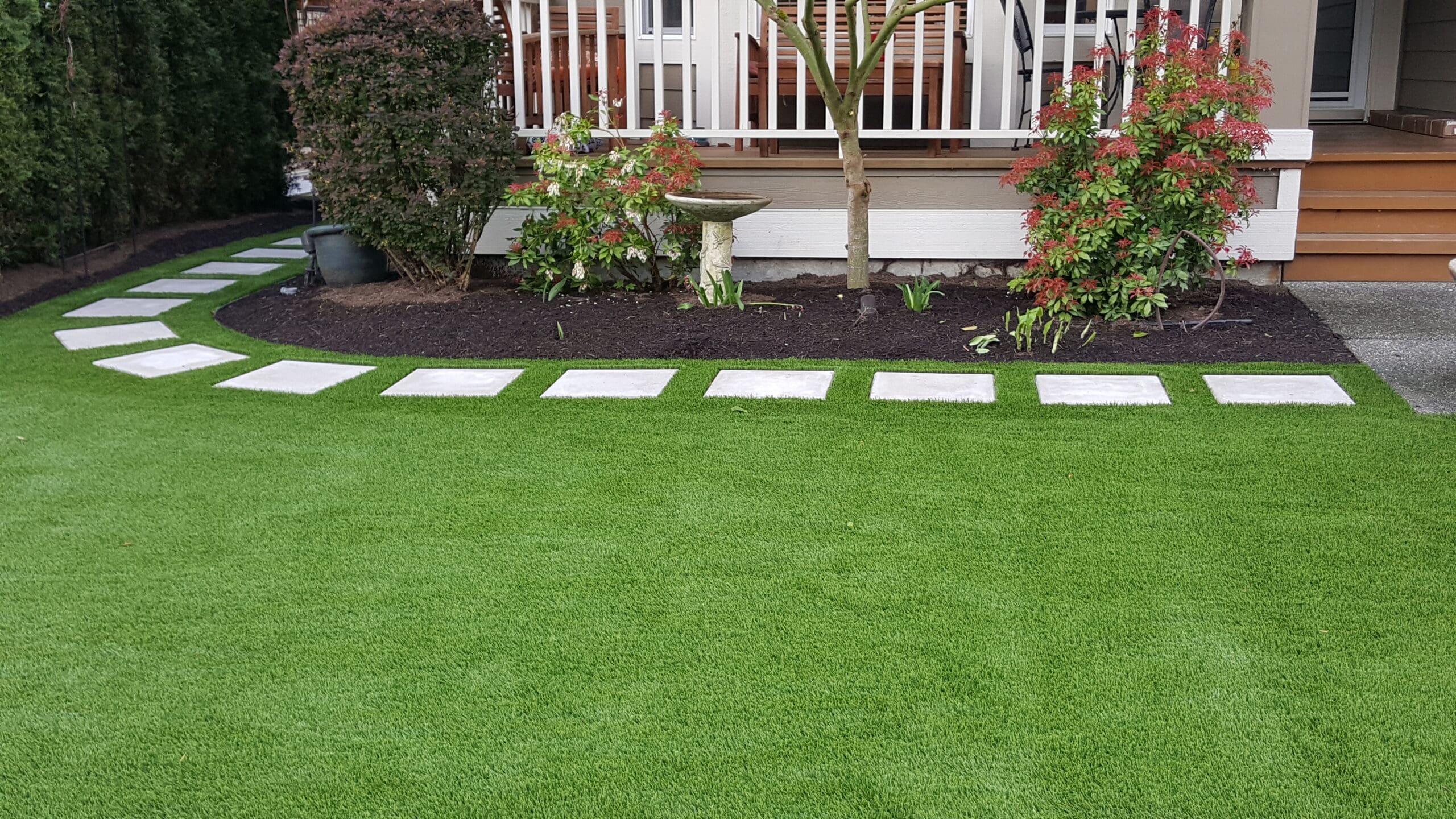
An appealing option for homeowners seeking a lush, green lawn without the hassle of regular upkeep is to install artificial grass, or synthetic turf. Its low maintenance makes it especially popular in areas with common drought conditions or environmental concerns around water conservation. However, installing synthetic turf is an investment that requires consideration to ensure you get the best results for your yard and lifestyle. While the benefits are numerous, certain factors can affect the success of your installation, and addressing these early on can save you from costly mistakes down the line. Before installing synthetic turf in your yard, let’s take a deeper look at what to consider.
Yard Suitability: Ground Conditions and Drainage
Before you start picking out turf, you should assess the suitability of your yard. Just because synthetic grass can be laid in most places doesn’t mean that every space is automatically ready for installation, since artificial turf installation starts with clearing existing grass and debris, excavating about 3 to 4 inches, and grading the ground correctly before the compacted base work begins. The ground should also be shaped with a slight grade to support optimal drainage and reduce pooling across the turf area.
Ground Leveling and Drainage:
One of the most important aspects of a successful turf installation is making sure that your yard has proper drainage. Even though synthetic grass requires no watering, it still needs to manage natural rainfall and prevent water from pooling on the surface, especially in places like the Pacific Northwest. Poor drainage can lead to soggy areas under the turf, with the possibility of mold. To address this, professionals will typically excavate the existing soil, compact the base material to about 80-90%, and lay down a sub base of gravel, crushed rock, or decomposed granite under the turf to create a level surface.
Proper excavation is critical. Typically, 3-5 inches of soil are removed from the installation area, along with dirt, roots, rocks, and other debris across the entire area. The soil and sub base should then be compacted with a plate compactor so the installation has an even surface and does not settle into low spots. This base material helps water drain effectively, moving it away from the surface through the gravel into the soil below, and an inch of leveling sand is typically added above it for proper drainage before the turf is laid. Weed barrier is also laid before the artificial grass installation.
Adding a Weed Barrier for Artificial Turf:
Weeds are the bane of any garden or lawn, and while synthetic turf significantly reduces weed growth, it doesn’t eliminate the problem. For extra protection, a weed barrier should be laid between the compacted base and the turf. This barrier prevents persistent weeds from growing up through the surface. Choosing a high-quality barrier fabric that will last long without breaking down over time is essential. When dealing with your chosen turf company, make sure to ask about weed barriers if they are not mentioned to you.
Choosing the Right Synthetic Turf
Now that your yard is prepared, it’s time to choose the right synthetic turf product for your needs. There’s a wide variety of options on the market, and your choice will depend on several factors, including how you plan to use the space, the climate in your region, your personal aesthetic preferences, expected lifespan, surface temperature, and budget for each square foot. Most artificial lawn products last about 8 to 15 years, and upfront costs vary depending on the product and the amount of ground preparation required. Heat retention is also worth considering, since artificial fibers can absorb and hold heat, and some products stay more comfortable for bare feet in warm weather.
Pile Height and Density:
One of the first factors to consider is the pile height or the length of the synthetic grass blades. Shorter piles, typically around 1 to 1.2 inches, are better suited for areas with heavy foot traffic, such as pathways or spaces where children and pets play, and softer systems can provide a more forgiving surface that helps reduce injuries from falls when paired with shock pads. These shorter blades are more resilient, standing up to wear and tear better than longer blades. On the other hand, if your goal is to create a more lush, decorative artificial lawn, a taller pile height of 1.5 inches or more will give you that more luxurious appearance.
Density refers to how closely packed the turf fibers are, and it plays a role in the lawn’s appearance and durability. Higher-density artificial turf has more fibers per square inch, making the lawn look fuller and more natural. However, they can also be more expensive. For active residential projects, denser products are often preferred because they hold up better under repeated use. A higher-density turf will be more resistant to flattening in high-traffic areas.
Infill Options:
Infill is a big part of synthetic turf installations, supporting the blades and helping them remain upright. It also helps with cushioning and drainage. Standard infill options include silica sand, rubber granules, and organic materials like cork. Silica sand is the most affordable option and works well in most climates, but rubber infill offers more cushioning. It can be a better option for playgrounds or areas where people will run, like fields. Organic infills, while eco-friendly, may not be as durable in wetter climates, so it’s important to consider your local environment when choosing an infill type.
Artificial Turf Installation: Professional Installation vs. DIY
Now that you’ve chosen your turf, the next question is whether to tackle the installation yourself or hire a professional. There are pros and cons to both options, and your decision will depend on factors like your budget, experience level, and the size and complexity of the job.
The Benefits of Professional Installation:
For most homeowners, professional installation is the best option. Artificial turf installers have specialized tools and experience to ensure a smooth, even, and properly done installation, including how to secure seams with seam tape and fasten the turf with 4-6 inch galvanized steel nails at consistent spacing. They also know how to avoid common mistakes DIYers might encounter, such as improper base compaction or poorly aligned seams between turf rolls, and how to drive nails without damaging the backing. Hiring a pro can also save you time, as the entire process—from excavation to finishing touches—can be completed much faster with an experienced team. Most residential installations can often be completed in 1-3 days, though the installation process depends on project size and site access. Once the turf is laid out, pros typically place them every 12 inches around the edges and every 24 inches throughout the area. Feel free to contact us with any further questions about working with an installation team at Synthetic Turf Northwest.
DIY Installation Considerations:
If you’re a handy person with experience in landscaping or construction, a DIY installation might be a feasible option. Before you install, make sure the base is fully compacted and level. When installing turf, position all turf pieces in the same direction before installing artificial and fitting them. When installing artificial turf, cut turf from the backing side, leave a little excess turf for adjustment, then trim the edges cleanly. DIYers may also need to apply seaming tape carefully and avoid overdriving fasteners so they do not counter sink them and create a noticeable dip. Just remember that synthetic turf installation is a labor-intensive job that requires precision and time.
Maintenance Considerations
While synthetic turf is often advertised as “maintenance-free,” this isn’t entirely accurate. The requirements are much lower than natural grass. Artificial grass significantly reduces the need for water, chemicals, fertilizers, and pesticides, which helps prevent harmful runoff and pollution in the ecosystem, and no irrigation system needed. There are still a few steps you’ll need to take to keep your lawn in top shape, including removing debris and spraying it off with a hose about twice a month to rinse away pet urine, dust, and buildup. This kind of care helps a faux lawn or fake grass surface keep draining and looking clean over time.
Regular Brushing and Cleaning:
To keep the blades standing upright and to prevent matting, especially in high-traffic areas, it’s essential to regularly brush the turf with a push broom for routine grooming or a power broom or power brush on larger turf areas. To avoid staining and odors, you’ll also want to remove debris, like leaves, twigs, and pet waste. Most synthetic turf systems are designed with drainage holes, but allowing debris to accumulate can affect drainage over time, so brushing and cleanup should cover the entire area, especially spots where leaves, pet hair, or other debris can block drainage.
Infill Maintenance:
Infill materials, especially infill sand, can shift over time, especially with heavy rain or foot traffic. The final step of many installs is brushing in infill sand, and depending on foot traffic it may need to be topped off about once a year to support the blades and protect the backing from sun exposure. In the case of putting greens, infill maintenace is especially important for ball roll and putting speed.
Installing synthetic turf can be a game-changer for your yard, offering a beautiful, low-maintenance alternative to natural grass. However, to ensure the best results, it’s important to evaluate your yard, prepare the base, and select the right turf for your needs.
Always feel free to contact us with any questions, get a quote for artificial grass installation, or to purchase synthetic turf for any of your DIY needs!